Best Eco Friendly Yoga Gear For Beginners
I’ve tested and lived with every mat and carry option here — from slow morning yoga at home to sweaty vinyasa and the occasional outdoor stretch on a weekend hike — so I’m looking for honest performance, not marketing. Expect clear notes on grip, cushion, durability and how each product handles movement, alignment and clean-up. You’ll see practical fit guidance (thickness and weight), material details like SGS‑certified TPE and natural rubber, and when a canvas bag actually makes travel easier. Sustainability note: prefer natural rubber or certified TPE over PVC, and build a mindful wardrobe around hemp and organic cotton pieces where possible — they breathe better, last longer, and lower long‑term environmental cost.
⚡ Quick Answer: Best Hemp Clothing And Activewear
Best for On-the-Go: Gruper Yoga Mat Non Slip, Eco Friendly Fitness Exercise Mat with Carrying Strap,Pro Yoga Mats for Women,Workout Mats for H...
Table of Contents
- Main Points
- Our Top Picks
- Gruper Yoga Mat Non Slip, Eco Friendly Fitness Exercise Mat with Carrying Strap,Pro Yoga Mats for Women,Workout Mats for H...
- Heathyoga Eco Friendly Non Slip Yoga Mat, Body Alignment System, SGS Certified TPE Material - Textured Non Slip Surface an...
- Gaiam Yoga Mat - Premium 5mm Solid Thick Non Slip Exercise & Fitness Mat for All Types of Yoga, Pilates & Floor Workouts (...
- Manduka eKOLite Yoga Mat - 4mm Natural Rubber | Eco-Friendly | Soft Textured Surface | Natural Next-to-Skin Feel
- Canvas Yoga Mat Bag Fits Most Mats Yoga Bag with Large Storage Pockets to Hold More Accessories Ideal for Pilates Workout Gifts & Travel
- Buying Guide
- Frequently Asked Questions
- Conclusion
Main Points
- Choose thickness for your practice: 4mm (Manduka eKOLite) is a great compromise for stability in standing balances and portability; 5mm (Gaiam) gives extra knee and joint cushioning for restorative work. If you’re taller or like long savasana, prioritize longer/wider dimensions when you buy.
- Grip comes down to material and texture: natural rubber (Manduka eKOLite) offers a “next‑to‑skin” tack that improves as you sweat, while textured, SGS‑certified TPE (Heathyoga) delivers predictable, quick‑dry traction and is a good latex‑allergy alternative. The Heathyoga alignment lines are useful for building form in the first months of practice.
- Portability and accessories matter: the Gruper mat’s lightweight design and included carrying strap make it the easiest to toss into a bag for travel or studio drop‑ins, and a sturdy canvas mat bag with large pockets keeps blocks, straps and a change of clothes organized for weekend hikes or outdoor classes.
- Durability and care: closed‑cell or TPE mats wipe clean and resist sweat absorption (lower maintenance), while natural‑rubber mats feel superior underfoot but need gentle, regular rinsing and air‑drying to keep them smelling fresh and to prolong life. Expect wear on any foam mat over time—look for dense foam and reinforced edges for longer durability.
- Sustainability note: favor mats and gear with clear credentials—SGS‑tested TPE, responsibly sourced natural rubber, and heavyweight cotton canvas reduce petrochemical use and improve end‑of‑life outcomes. For your practice wardrobe, choose hemp and organic cotton over synthetic blends: they’re more breathable during movement, get softer with age, and outlast fast‑fashion workout pieces.
Our Top Picks
| Best for On-the-Go |  | Gruper Yoga Mat Non Slip, Eco Friendly Fitness Exercise Mat with Carrying Strap,Pro Yoga Mats for Women,Workout Mats for H... | Key Ingredient: PVC-free TPE blend (low-odor) | Surface / Grip: Textured, non-slip on dry surfaces | Best For: Best for On-the-Go | Check Price on Amazon | Read Our Analysis | |
| Best for Precise Alignment |  | Heathyoga Eco Friendly Non Slip Yoga Mat, Body Alignment System, SGS Certified TPE Material - Textured Non Slip Surface an... | Key Ingredient: SGS-certified TPE (thermoplastic elastomer) | Scent Profile: Low odor; minimal off-gassing after airing | Best For: Best for Precise Alignment | Check Price on Amazon | Read Our Analysis | |
| Best for Extra Cushioning | 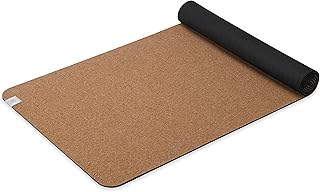 | Gaiam Yoga Mat - Premium 5mm Solid Thick Non Slip Exercise & Fitness Mat for All Types of Yoga, Pilates & Floor Workouts (... | Key Ingredient: High-density PVC closed-cell foam | Scent Profile: Mild new-mat plastic odor initially | Best For: Best for Extra Cushioning | Check Price on Amazon | Read Our Analysis | |
| Best Natural Rubber Option |  | Manduka eKOLite Yoga Mat - 4mm Natural Rubber | Eco-Friendly | Soft Textured Surface | Natural Next-to-Skin Feel | Key Ingredient: Natural harvested tree rubber (Hevea-derived) | Scent Profile: Mild natural rubber odor, fades after airing | Best For: Best Natural Rubber Option | Check Price on Amazon | Read Our Analysis | |
| Best for Travel Storage |  | Canvas Yoga Mat Bag Fits Most Mats Yoga Bag with Large Storage Pockets to Hold More Accessories Ideal for Pilates Workout Gifts & Travel | Key Ingredient: Heavy-duty cotton canvas (durable, breathable) | Material Certifications: No GOTS/OCS listed; unbranded cotton | Best For: Best for Travel Storage | Check Price on Amazon | Read Our Analysis |
More Details on Our Top Picks
-
Gruper Yoga Mat Non Slip, Eco Friendly Fitness Exercise Mat with Carrying Strap,Pro Yoga Mats for Women,Workout Mats for H...
🏆 Best For: Best for On-the-Go
What earns the Gruper Yoga Mat the "Best for On-the-Go" spot is simple: it tucks into life. The mat is thin enough to roll tight, light enough to sling with the included carrying strap, and grippy enough to unroll on a damp park bench or the studio floor without fidgeting with placement. I take this mat on weekend hikes for sunrise flows, to quick lunchtime classes, and when I teach a pop-up on the beach—it’s the definition of portable without giving up basic performance.
Key features that matter in real use: a PVC-free TPE blend that stays low-odor out of the box, a textured non-slip surface that locks hands and feet during standing sequences, and a 4–6mm cushion profile that balances portability with joint comfort. The mat cleans easily with a damp cloth, dries fast, and the sewn-in strap makes it possible to carry hands-free. Sustainability note: the PVC-free TPE reduces toxic additives found in traditional vinyl mats and keeps production energy and off-gassing lower than PVC alternatives.
This is the mat I recommend for beginners who commute, travel, or prefer a minimalist kit. If you want a single mat for morning at-home flows, rooftop classes, and the occasional outdoor session, this fits. It’s also a good pick if you’re trying to reduce fast-fashion turnover by choosing gear that’s light, easy to maintain, and durable enough to actually keep for years.
Honest caveats: it isn’t a replacement for a thick studio mat if you need extensive knee or joint padding—someone with chronic joint pain will want a denser rubber mat or a folded blanket under knees. Also, while the TPE blend is more eco-conscious than PVC, it’s not as long-lived or naturally biodegradable as pure natural rubber, so expect some surface wear after heavy daily use.
✅ Pros
- Lightweight and highly portable
- Strong dry grip for most flows
- Includes an integrated carrying strap
❌ Cons
- Less cushioning for sensitive knees
- Not fully biodegradable like natural rubber
Sustainability note: Choosing PVC-free mats reduces long-term toxic waste, but TPE still needs proper recycling where available.
- Key Ingredient: PVC-free TPE blend (low-odor)
- Surface / Grip: Textured, non-slip on dry surfaces
- Best For: Best for On-the-Go
- Size / Volume: ~72" x 24", 4–6mm thickness
- Special Feature: Lightweight with sewn carrying strap
- Sustainability note: Lower toxicity than PVC; recyclable in select programs
-
Heathyoga Eco Friendly Non Slip Yoga Mat, Body Alignment System, SGS Certified TPE Material - Textured Non Slip Surface an...
🏆 Best For: Best for Precise Alignment
The Heathyoga Eco Friendly Non Slip Yoga Mat earns the "Best for Precise Alignment" slot because its printed body-alignment system actually changes how you practice. The subtle center line, the measured foot and hand guides, and the degree markings make it easy to place your limbs exactly where they need to be in standing poses, balances, and lunges — which is invaluable for beginners learning alignment, and for teachers demonstrating adjustments. I’ve used those guides for morning sun salutations and alignment-focused classes; they remove a lot of guesswork so you build safer movement patterns faster.
Key features are straightforward and performance-driven: SGS-certified TPE construction, a double-textured non-slip surface, and a medium 6mm cushion that balances comfort with ground awareness. In real-world use it grips well even when the room warms up, cleans easily with a damp cloth, and rolls up light enough for a bike-to-studio commute. The alignment prints stay visible after months of practice, and the textured finish gives predictable feedback under bare feet and hands — helpful during flow when you need steady traction rather than sticky suction.
This mat is a clear buy if you want to learn or teach precise alignment — beginner-to-intermediate practitioners, alignment-focused classes, and teacher trainees will appreciate it most. It’s also a sensible choice for a home practice where you want a durable, easy-care mat that performs for vinyasa and standing-sequence work. If you need thick cushioning for chronic knee issues, or plan to use a mat daily on sharp gravel and rough outdoor terrain, consider a heavier rubber mat or a dedicated outdoor pad instead.
Honest caveats: TPE is more eco-friendly than PVC but it’s not a natural material like latex or hemp — it’s recyclable in some programs but not universally biodegradable. Also, the 6mm thickness balances stability and comfort, but if you prefer very plush mats for restorative or long-sitting meditations, this will feel firmer under knees and hips.
✅ Pros
- Alignment grid for accurate hand and foot placement
- Strong grip even during sweaty flows
- Lightweight and easy to roll
❌ Cons
- Not biodegradable like natural rubber
- Edges can wear on rough surfaces
Sustainability note: TPE here is SGS-certified and PVC-free, lowering toxic additives compared with PVC mats; check local recycling options for end-of-life handling.
- Key Ingredient: SGS-certified TPE (thermoplastic elastomer)
- Scent Profile: Low odor; minimal off-gassing after airing
- Best For: Best for Precise Alignment
- Size / Volume: ~183 x 61 cm (72 x 24 in), 6mm thickness
- Special Feature: Printed body alignment system and textured non-slip surface
- Certifications & Care: PVC-free, latex-free, wipe clean
Sustainability note: Compared with PVC mats, this TPE option reduces persistent plastic additives; it’s a practical compromise between performance and lower-toxicity materials for an eco-conscious starter kit.
-
Gaiam Yoga Mat - Premium 5mm Solid Thick Non Slip Exercise & Fitness Mat for All Types of Yoga, Pilates & Floor Workouts (...
🏆 Best For: Best for Extra Cushioning
The Gaiam Premium 5mm solid mat earns the "Best for Extra Cushioning" spot because it gives beginners and gentle practitioners a noticeably softer landing without sacrificing stability. The 5mm high-density foam creates a plush surface under knees and wrists, which makes morning home practices, restorative sessions, and floor-based pilates far more comfortable than thin travel mats.
Key features include a textured, non-slip surface that holds through slow flows and light sweating, plus a closed-cell construction that resists moisture and makes wiping it down quick and easy. In real life that translates to fewer sweaty hand slips in chaturanga, comfortable seated meditations, and a mat that bounces back well after bodyweight work. It’s also light enough to roll up and carry to class when you’re not hiking with it.
This is a good buy for beginners, anyone with sensitive knees, and people building a mindful home practice who prefer extra padding. It’s ideal for morning yoga at home, gentle vinyasa, restorative evenings, and mixed-use for Pilates or core work. If you need a travel mat or prefer the firm feedback of natural rubber, look elsewhere.
Honest caveats: the mat is made from a PVC-like high-density foam, so it isn’t compostable and has limited end-of-life recycling options; you may notice a mild plastic smell at unpacking, and it’s thicker and slightly heavier than ultralight mats. Sustainability note: while the mat performs well, its closed-cell PVC construction means it sits lower on the eco scale than natural-rubber or hemp alternatives.
✅ Pros
- Generous 5mm cushioning for joints
- Textured non-slip surface for steady grip
- Durable, easy-to-clean closed-cell surface
❌ Cons
- PVC construction, not biodegradable
- Initial plastic smell on unpacking
Sustainability note: If reducing plastic is a top priority, consider mats made from natural rubber, cork, or hemp-blend fibres which offer better end-of-life options.
- Key Ingredient: High-density PVC closed-cell foam
- Scent Profile: Mild new-mat plastic odor initially
- Best For: Best for Extra Cushioning
- Size / Volume: Standard ~68 x 24 inches, 5mm thick
- Special Feature: Textured non-slip surface; moisture resistant
- Care / Certifications: Wipe clean only; no major eco certifications
Sustainability note: This mat offers longevity and lower replacement frequency (which helps reduce waste), but its PVC makeup means choosing it is a performance-over-planet trade-off for eco-minded shoppers.
-
Manduka eKOLite Yoga Mat - 4mm Natural Rubber | Eco-Friendly | Soft Textured Surface | Natural Next-to-Skin Feel
🏆 Best For: Best Natural Rubber Option
The Manduka eKOLite earns the "Best Natural Rubber Option" spot because it gets the core trade-offs right: real tree-rubber grip and a soft, next-to-skin texture in a slim, travel-friendly 4mm profile. In my home morning flows and weekend studio visits it consistently offered a reassuring, slightly tacky surface without the petrochemical feel of PVC mats. For beginners who want an eco-forward mat that actually performs, this one delivers predictable traction and comfortable ground contact.
Key features include 4mm natural rubber construction, a soft textured surface, and a lightweight build that rolls up small for travel. The texture gives immediate grip for standing poses and is forgiving on the wrists during gentle transitions; it becomes grippier with a little moisture from hands or a short warm-up. Real-world benefits: it’s easy to clean with mild soap and water, packs into a travel bag for retreats, and provides enough cushioning for daily home practice without feeling disconnected from the floor.
This mat is ideal if you’re starting a regular home practice, commuting to classes, or building a mindful wardrobe that favors natural materials over fast-fashion synthetics. It’s especially good for vinyasa, Hatha, and mixed-flow classes where traction and connection matter more than thick cushioning. If you want a mat that ages gracefully and doesn’t scream “plastic,” eKOLite fits into morning flows, rooftop mobilities, and light travel weekends.
Honest caveats: the mat contains natural latex, so it’s not suitable for people with latex allergies or those seeking fully vegan materials. The 4mm thickness is intentionally slim — comfortable for most, but you may want extra padding for frequent knee-based practices. Also expect a mild natural rubber scent at first; it dissipates after airing out.
Sustainability note: Made from sustainably harvested natural rubber and PVC-free, this mat reduces petrochemical dependence and biodegrades more readily than synthetic alternatives.
✅ Pros
- Reliable dry and slightly tacky grip
- PVC-free natural rubber composition
- Lightweight, rolls small for travel
❌ Cons
- Contains natural latex (not vegan)
- Initial rubber scent on unboxing
Sustainability note: Choosing a natural rubber mat supports lower life-cycle plastic use compared to PVC mats, though end-of-life composting requires proper facilities.
- Key Ingredient: Natural harvested tree rubber (Hevea-derived)
- Scent Profile: Mild natural rubber odor, fades after airing
- Best For: Best Natural Rubber Option
- Size / Volume: 4mm thickness, approx. 71" x 24"
- Special Feature: Soft textured surface for next-to-skin feel
Sustainability note: The mat’s natural materials and PVC-free construction lower long-term plastic pollution; prefer shaded storage to extend material life.
-
Canvas Yoga Mat Bag Fits Most Mats Yoga Bag with Large Storage Pockets to Hold More Accessories Ideal for Pilates Workout Gifts & Travel
🏆 Best For: Best for Travel Storage
This canvas yoga mat bag earns the "Best for Travel Storage" spot because it’s built around pockets — lots of them — and a simple, packable shape that makes shuttling a mat, block, strap and a few extras effortless. For $19.99 (4.6-star average), it does what expensive branded bags promise: keeps your mat bundled, your phone and keys accessible, and your hands free on trains, planes, and early-morning walks to the studio.
Key features are straightforward and performance-focused: heavy cotton canvas body, a long adjustable shoulder strap, and generous external storage pockets large enough for a water bottle, towel, phone, and a small foam block. In practice that means a single bag can handle a studio class one minute and fold flat into weekend luggage the next — the canvas breathes better than polyester, so a damp travel mat won’t trap as much odor.
This is a solid buy for students, commuting practitioners, and anyone who travels light but wants organization — teachers who carry multiple props, or weekend hikers who stop for a short flow. It fits most standard studio mats (24"×68") and many travel mats when rolled tightly. Sustainability note: the bag’s durable canvas extends product life compared with fast-fashion sacks, but it’s conventional cotton without listed organic or recycled certifications.
Honest caveats: there’s minimal padding, so the mat can take some abrasion on rough surfaces, and it’s not fully water-resistant — a wet mat can soak through the canvas. Also, the listing doesn’t show formal certifications (GOTS/OCS), so if you want a guaranteed low-impact supply chain, consider a labeled hemp or certified-organic cotton alternative.
✅ Pros
- Large external pockets for accessories
- Lightweight and compresses for travel
- Durable cotton canvas construction
❌ Cons
- No padding for mat protection
- Not fully water-resistant
Sustainability note: Durable canvas reduces replacements, but absence of organic or recycled certification means a higher footprint than certified hemp alternatives.
- Key Ingredient: Heavy-duty cotton canvas (durable, breathable)
- Material Certifications: No GOTS/OCS listed; unbranded cotton
- Best For: Best for Travel Storage
- Size / Volume: Fits most standard 24"×68" mats; roomy pockets
- Special Feature: Generous external pockets and adjustable strap
- Care: Spot clean; air dry to preserve canvas integrity
Sustainability note: If you prioritize the lowest environmental impact, seek a GOTS-certified hemp or recycled-cotton bag; otherwise this canvas choice still beats disposable, short-lived alternatives by lasting longer.
Factors to Consider
Frequently Asked Questions
Are hemp yoga clothes stretchy enough for active flow classes?
Hemp on its own isn’t as elastic as synthetic knits, so look for hemp blends that include 6–12% recycled elastane or mechanical four-way knit constructions for reliable stretch and recovery. Many brands balance hemp’s durability and breathability with a small percentage of elastane so leggings and tops move with you during dynamic sequences.
How should I care for hemp yoga wear to make it last?
Wash hemp garments in cold water with a gentle detergent, zip zippers and turn items inside out, then line-dry to avoid heat damage and preserve fiber strength. Hemp softens with use, so resist frequent hot washes and tumble drying which accelerate wear and can break down any elastane content.
Which yoga mat material is best if I want something biodegradable?
Natural rubber and cork mats are the most biodegradable mainstream options — cork provides antimicrobial properties and breathability, while natural rubber gives strong grip and cushioning. Check product transparency for natural-rubber content and avoid PVC; remember that fully biodegradable disposal still depends on local waste systems.
Is a buckwheat-filled zafu better than kapok for meditation?
Buckwheat hulls offer firm, adjustable support that molds to your posture and lasts for years, making them ideal for daily meditation and longer sits. Kapok is lighter and softer but compresses sooner; choose kapok if portability and lightness are priorities, and buckwheat if sustained ergonomic support matters most.
Can hemp activewear handle hot yoga and heavy sweating?
Hemp breathes and wicks moisture reasonably well while resisting odors naturally, so it can work for hot yoga if paired with a breathable construction and a sweat-wicking lining or blend. For very intense, sweaty sessions, look for hybrid pieces that combine hemp with TENCEL or recycled polyester panels in high-sweat zones to speed drying while keeping most of the garment natural.
What should I look for to ensure ethical production and low chemical use?
Search for third-party certifications like GOTS, OEKO‑TEX, and Fair Trade, plus transparent supply-chain information and factory audits on the brand’s site. Certifications confirm reduced chemical inputs and fair labor practices, and brands that publish fiber sources and factory locations are often more accountable.
Do hemp mats and cork blocks hold up over time compared to foam?
Yes — cork blocks and natural rubber mats are denser and resist compression better than low-density EVA foam, so they maintain shape and grip longer under regular practice. They may cost more up front but often outlast cheap foam options, lowering long-term replacement and waste.
Sustainability note: Choosing certified hemp textiles and natural-material mats reduces reliance on petroleum-based products and lowers long-term waste because these materials are durable and more easily composted or recycled.
Conclusion
For beginners building a mindful, functional yoga kit, prioritize hemp-forward clothing blends, natural-rubber or cork mats, and buckwheat-filled cushions — these options balance comfort, durability, and low environmental impact. Start with a well-fitting hemp-legging (with a small recycled-elastane percentage), a 3–5 mm natural rubber mat, and a buckwheat zafu to cover daily practice, home flows, and meditation sits.
Sustainability note: Investing in certified hemp pieces and natural-material props reduces chemical exposure and textile turnover, helping you move away from fast fashion toward a durable, mindful wardrobe.