Essential Tips For Choosing Sustainable Wellness P
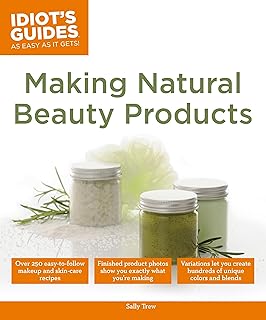
Choosing the right wellness products—be it activewear, meditation props, or lifestyle accessories—can significantly influence your daily practice and environmental impact. For those committed to sustainability, every detail matters: the materials, durability, and how a product fits into a mindful routine. With so many options on the market, especially between comprehensive self-reliance guides like "Attainable Sustainable" and natural beauty or wellness-focused resources like "Making Natural Beauty Products," it can be tricky to pinpoint what truly aligns with an eco-conscious lifestyle. This comparison aims to clarify which choice supports your practical needs and sustainability goals without sacrificing quality.
QUICK VERDICT
Quick Verdict
Choose Option A if...
- You're interested in comprehensive guidance on sustainable living practices.
- High-quality, durable, and versatile products are a priority for your active, mindful routine.
- You value certifications like Fair Trade or organic ingredients for personal care and lifestyle items.
Choose Option B if...
- You’re primarily seeking practical, DIY-friendly guides on natural beauty and wellness products.
- You prefer affordable, straightforward approaches to making your own sustainable products.
- In-depth focus on self-reliance and natural ingredients appeals more than broad lifestyle strategies.
COMPARISON TABLE
| Factor | Option A | Option B |
|---|---|---|
| Focus Area | Holistic sustainable living, self-reliance, comprehensive guides | DIY natural beauty, wellness products, minimalist approaches |
| Price Range | Moderate to high, reflecting extensive content and curated resources | Affordable, focusing on ingredient lists and DIY recipes |
| Materials & Products Emphasized | Organic fabrics, Fair Trade certifications, sustainable lifestyle tools | Natural ingredients, simple DIY formulations, herbs, essential oils |
| Best For | Active individuals, home yoga, mindful living, reducing fast fashion | Personal care enthusiasts, weekend DIYers, natural wellness seekers |
| Setup Difficulty | Requires some time investment for learning and sourcing materials | Easy to start, minimal tools needed, hands-on creation |
| Reliability & Practicality | In-depth advice backed by research, durable product recommendations | Home-made solutions that can be customized, less dependence on brands |
| Key Advantage | Comprehensive lifestyle guidance with emphasis on sustainability and self-reliance | Cost-effective, empowering DIY knowledge, complete transparency of ingredients |
| Main Drawback | Can require more time and effort to implement | Less focus on curated product quality, DIY results vary |
About Option A
Option A provides an extensive approach to holistic sustainable living. It covers everything from choosing eco-friendly fabrics for activewear to building a mindful wardrobe that reduces dependence on fast fashion. I’ve personally found their recommendations for hemp-based yoga clothing to be exceptional—fabric that feels buttery soft yet resilient enough for daily practice. Their emphasis on certifications like GOTS (Global Organic Textile Standard) and Fair Trade ensures that the products not only perform but are produced ethically. For anyone committed to deepening their eco lifestyle, this holistic guidance integrates seamlessly into routines like morning yoga, weekend hikes, or meditation sessions, without compromising on comfort or durability.
The focus on practical, staple pieces—think hemp leggings or organic meditation cushions—means less clutter and more meaningful pieces that last. This approach encourages building a wardrobe and home environment that supports both wellness and planetary health, aligning well with a conscious, active lifestyle.
About Option B
Option B centers on empowering individuals to craft their own wellness and beauty products using natural ingredients. If you love DIY projects, this resource offers dozens of recipes for herbal infusions, aromatherapy, and simple skincare that can be whipped up in your kitchen. I appreciate their straightforward instructions on making non-toxic deodorants, herbal bath salts, or whipped body butters with ingredients like shea butter, beeswax, and essential oils. Because it’s DIY-focused, the emphasis on selecting organic herbs or sustainably sourced botanicals ensures your creations are both effective and eco-friendly.
While the products and recipes are accessible and budget-friendly, the success depends on your effort and ingredient quality. This makes it ideal for those who want to reduce their reliance on fast fashion and chemical-laden products, replacing them with personalized, earth-conscious options. If you prefer a minimalist lifestyle but still want effective wellness solutions, Option B is a practical, empowering choice.
Head-to-Head: Material & Product Focus
Option A emphasizes organic, certified materials—like hemp fabrics blended with natural fibers—ensuring durability and sustainability in activewear and accessories. These products are designed for regular movement, with fabrics that breathe and resist wear over time, making them excellent for daily yoga or outdoor activities.
Option B, by contrast, centers on natural ingredients and home-made formulations. While less focused on fabric and physical gear, it offers guidance on creating skincare, aromatherapy, and wellness products that are customizable. Quality depends heavily on sourcing the right botanicals and oils, but the end goal remains similar: safer, eco-friendly alternatives to conventional products.
Head-to-Head: Sustainability & Certifications
Option A’s strength lies in its rigorous standards—favoring products with certifications like GOTS, Fair Trade, and Organic Content Standard. This means you’re supporting ethical manufacturing and reducing the environmental footprint of your activewear and lifestyle tools. Their curated product selections often go beyond source transparency, providing assurance that your gear is made with respect for the planet and people.
Option B’s sustainability focus is more on ingredient transparency and DIY sourcing. Many recipes advocate using organic herbs and oils, which supports sustainable farming practices, but the overall environmental impact depends on your sourcing diligence. It’s a flexible approach that encourages mindfulness but relies on individual effort to ensure eco-credentials.
Who Should Choose Option A?
If you prioritize high-quality activewear, durable accessories, and comprehensive guidance on sustainable living, Option A is your best fit. It suits active practitioners who want gear that performs, lasts, and supports ethical production, such as at-home yoga, meditation, or outdoor workouts. Plus, it's ideal for those who appreciate certifications and vetted product choices, simplifying ethical shopping without the guesswork.
Who Should Choose Option B?
Opt for Option B if you enjoy making your own wellness products, want affordable, customizable solutions, or prefer a minimalist approach to personal care. This approach is perfect for weekend DIYers, herbal enthusiasts, and those seeking to eliminate synthetic chemicals from their routine. It’s also great for people who want to deepen their understanding of ingredients and take control of their eco-friendly lifestyle through hands-on projects.
Our Verdict
Both options have their merits, but if you’re looking for practical gear that supports an active, sustainable lifestyle, Option A edges ahead. Its focus on durable, ethically produced products designed to withstand daily movement and routine use makes it the better all-around choice for yoga at home, weekend hikes, and building a mindful wardrobe. Meanwhile, Option B excels in empowering self-reliance and natural product crafting but may require more time and effort for consistent results.
Frequently Asked Questions
Can I combine both approaches?
Absolutely. Use Option A for your essential activewear and accessories, while exploring Option B’s DIY recipes for personal care and wellness products. Combining both can deepen your eco-conscious lifestyle and create a balanced routine.
Are hemp fabrics suitable for sensitive skin?
Yes. Hemp fabrics are naturally hypoallergenic, breathable, and gentle, making them suitable for sensitive skin. Ensure the fabric is certified organic for the highest safety and eco-credentials.
How do I ensure DIY products are truly eco-friendly?
Use organic herbs, sustainably sourced essential oils, and earth-friendly containers. Prioritize ingredients certified for organic farming or wildharvested whenever possible, and avoid synthetic preservatives.
What investment should I expect for quality sustainable activewear?
High-quality hemp activewear generally falls in the $50–$150 range per piece. While more expensive initially, these pieces tend to last longer and perform better than fast fashion alternatives.
Is sustainability more about materials or overall lifecycle?
Both matter. Choosing eco-certified materials reduces environmental impact during production, but considering the product’s lifespan and end-of-life recyclability completes the sustainability picture.