How to Choose the Right Yoga Gear And
How to Choose the Right Yoga Gear And
Selecting the right yoga gear isn’t just about comfort; it’s about aligning your practice with your values. As someone who’s personally worn hemp activewear through morning flows and weekend hikes, I’ve learned that quality materials like hemp and organic fabrics truly elevate your experience — they perform better, last longer, and support a more sustainable lifestyle.
When you invest in well-made, eco-conscious gear, you’re reducing reliance on fast fashion and synthetic materials that often degrade quickly and harm the environment. Whether you’re mastering downward dog at home or exploring forest trails in hemp shorts, choosing the right gear makes every movement more mindful and enjoyable.
Table of Contents
1. Fabric Quality and Material Choice
When it comes to yoga and activewear, the fabric is everything. Hemp fabric is naturally durable, breathable, and moisture-wicking—making it an ideal choice for both quick workouts and long sessions on your mat. Unlike synthetics, hemp maintains its integrity after repeated washings, resisting pilling and stretching over time.
Look for gear made from organic hemp or hemp blends with other natural fibers like organic cotton or Tencel. These blends often enhance softness without sacrificing durability. Personally, I prefer hemp-based leggings with a bit of stretch to support deep lunges or seated stretches without restricting movement.
Eco note: Hemp requires minimal water and pesticides during cultivation, making it one of the most sustainable fiber choices for activewear production.
2. Fit, Movement, and Functionality
Proper fit is key to a comfortable yoga session. Look for high-rise waistbands that stay in place during poses, and consider the level of stretch in the fabric—4-way stretch allows for unrestricted movement, essential for transitions in Vinyasa or yin yoga.
Seam placement is also important—flatlock seams reduce chafing during dynamic classes or outdoor hikes. I’ve found that well-designed hemp leggings with a supportive waistband feel like a second skin, whether I’m holding a pose or hiking uphill.
3. Sustainability and Eco Credentials
Choosing gear with clear eco credentials ensures your purchases support environmental health. Look for certifications like Global Organic Textile Standard (GOTS), Fair Trade, or OEKO-TEX, which indicate responsible manufacturing practices and chemical safety.
Personally, I prefer brands that use undyed or low-impact dyes for their hemp fabrics, reducing chemical runoff and environmental footprint. Hemp's rapid growth rate and ability to sequester carbon make it a highly regenerative crop and a smart choice for conscious consumers.
Eco note: Hemp’s low water consumption and soil-first cultivation practices contribute significantly to reducing environmental impacts compared to conventional cotton farming.
4. Accessories and Props
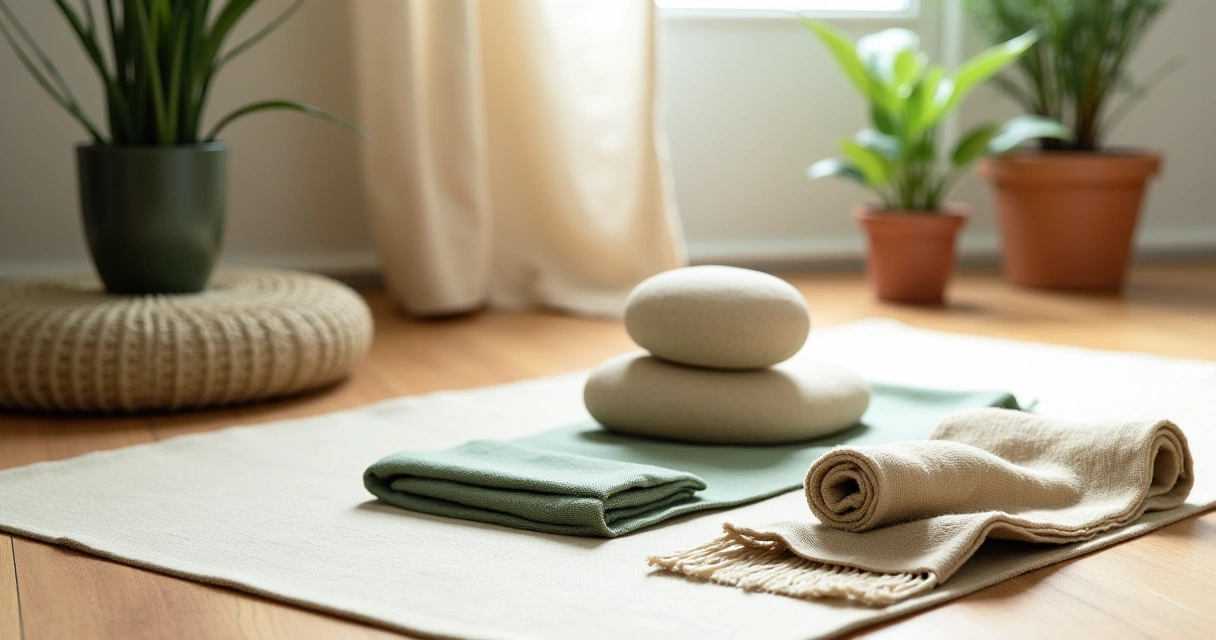
Props like meditation cushions, yoga blocks, and aromatherapy diffusers can enhance your practice without sacrificing sustainability. Opt for natural materials—bamboo, cork, hemp, and organic cotton—over plastics and synthetic composites. I personally swear by hemp and cork meditation cushions that align with my eco values and provide firm, comfortable support.
Essential oils and diffusers made with natural bamboo or ceramic help set a mindful atmosphere, boosting your focus during meditation or relaxation. Be sure to select diffusers with replaceable, eco-friendly filters and natural oils that support wellness without harmful chemicals.
5. Practical Shopping Tips
When shopping for hemp activewear and accessories, prioritize brands that are transparent about their sourcing, manufacturing, and certifications. Read reviews from other eco-minded consumers who test the durability and comfort of products through real-world use.
Buy less but better: investing in versatile pieces that transition from morning yoga to weekend hikes can simplify your wardrobe and reduce overall consumption. Personally, I keep a small capsule collection of hemp leggings, supportive tops, and meditation props that cover my active, mindful lifestyle.
6. Frequently Asked Questions
Is hemp clothing comfortable for all-day wear?
Absolutely. Modern hemp fabrics are soft, breathable, and well-suited for prolonged wear, especially when blended with organic cotton or other natural fibers.
How do I care for my hemp yoga gear?
Machine wash with cold water on gentle cycle, avoid bleach, and air dry to preserve fabric integrity and color. Proper maintenance extends the life of your gear significantly.
Can hemp activewear handle intense workouts?
Yes. Thanks to hemp’s natural durability and moisture-wicking properties, many hemp-based activewear pieces are designed for high-performance movement.
What are the best accessories for a sustainable wellness space?
Natural materials like bamboo, cork, hemp, and ceramics for props and diffusers help create an eco-friendly, calming environment for yoga and meditation practice.
Is hemp clothing suitable for hot weather?
Definitely. Hemp's breathability and moisture-wicking abilities make it comfortable and cool-clad during warmer months or heated yoga sessions.
How can I tell if my hemp gear is truly eco-friendly?
Check for certifications like GOTS or OEKO-TEX, and review brand transparency about their sourcing, dyeing, and manufacturing processes.
Conclusion
Choosing the right yoga gear isn’t just about comfort — it’s a conscious decision to support sustainable materials, durable craftsmanship, and eco-friendly practices. Hemp-based activewear and natural accessories empower you to deepen your practice while minimizing your environmental footprint. Start by selecting high-quality, sustainably sourced pieces that truly perform for your lifestyle, and you’ll build a wardrobe rooted in mindfulness and longevity.
Next step: Explore brands committed to transparency and quality, and consider upgrading your current gear with hemp essentials that support your active, eco-conscious life.
Top Picks for This Topic
As an Amazon Associate we earn from qualifying purchases at no extra cost to you.